
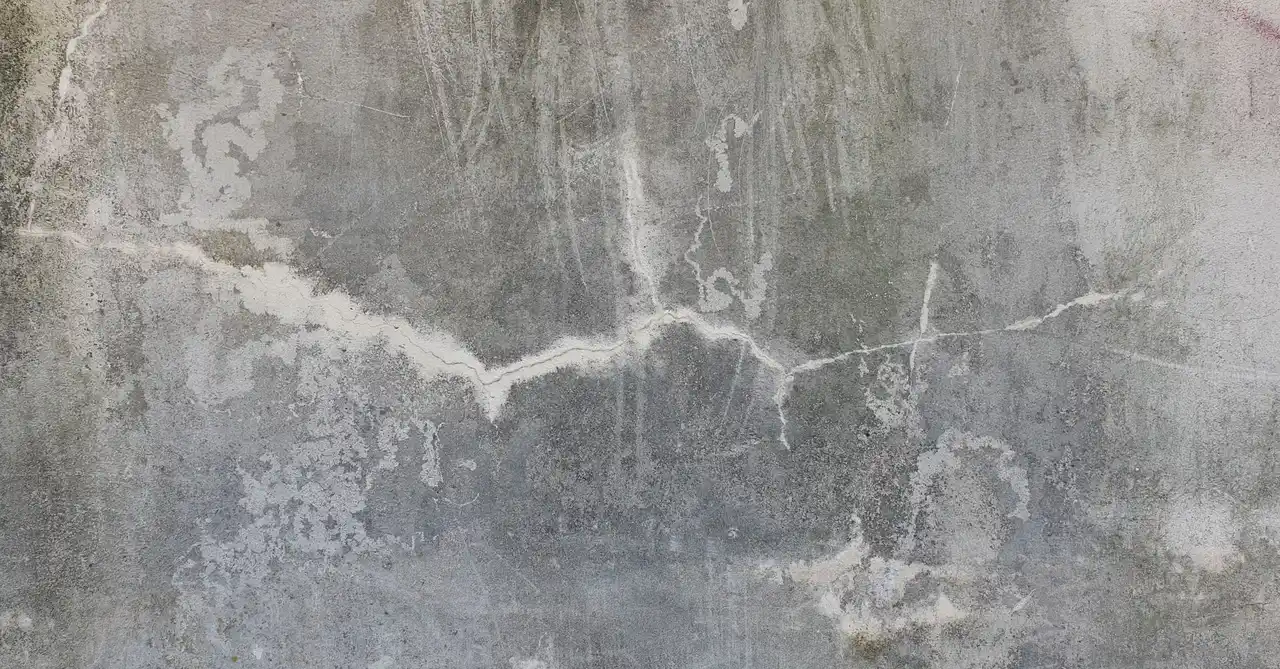
Most cracks in Irish houses are nothing to lose sleep over. The ones that matter tend to be wider than a euro coin’s edge, diagonal, stepped through brickwork or blockwork, and getting bigger over a season or two. If you’re looking at a hairline crack in plaster that’s been there for years and hasn’t changed, that’s almost always just the house moving the way all houses move. If you’re seeing fresh cracking after a dry summer, doors suddenly sticking, or a crack that runs through both the inside and outside wall in the same spot, that’s when we’d tell you to get it looked at properly.
We’ve been working on houses across Dublin and Wicklow for years, from the old red-brick terraces in Dublin city and Dun Laoghaire to the 1970s and 80s semis in Dundrum, Rathfarnham, Tallaght and Stillorgan, out to the cottages and bungalows around Rathdrum, Arklow and Blessington. The age, construction and ground conditions of a house change what’s actually going on behind a crack or a damp patch, and that’s the part most generic checklists online don’t tell you.
Not all cracks are equal, and location on the house matters
A crack above a door or window head is usually just normal settlement or a lintel doing its job under load. A crack that runs diagonally from the corner of a window down to the ground, especially on an extension or where an old cottage meets a newer build, is a different story. That diagonal pattern is the classic sign of differential movement, meaning one part of the house is moving at a different rate to the part next to it.
In the older housing stock around Bray, Greystones and Dublin city, we often see cracking where a Victorian or Edwardian solid-wall house has had a modern extension bolted on without a proper movement joint. The two structures were never designed to move together, so a crack opens up exactly where they meet. That’s not subsidence, it’s a design and construction issue, and it’s usually manageable with the right repair.
Genuine subsidence, where the ground under the foundation itself is failing, is less common but it does happen, particularly on clay soils where a thirsty tree has been planted too close to the house and is pulling moisture out of the ground in summer. We see this pattern more on some of the older sites around south Dublin and parts of Wicklow with mature gardens. If a crack is wider at the top than the bottom, or a whole corner of the house seems to be dropping, that’s a job for a structural engineer, not a builder’s opinion over the garden wall.
Damp patterns we see across different Dublin and Wicklow housing types
Damp behaves differently depending on when and how the house was built, and this is where a lot of homeowners get the wrong diagnosis. Older solid-wall houses, common in Dublin city and the older parts of Bray and Dun Laoghaire, often have no damp proof course at all, or one that’s broken down over the decades. Damp in these houses tends to sit low on the wall, rise from the ground, and get worse where the external ground level has crept up over the years against the wall (a very common issue we see, often from repeated resurfacing of a path or driveway).
Cavity wall houses from the 1960s onwards, which make up a lot of the housing in Dundrum, Rathfarnham, Stillorgan and Tallaght, shouldn’t have rising damp at all if they were built correctly. When we see damp patches in these houses, it’s far more often a cracked render, a blocked cavity tray over a window or door, poor flashing, or guttering that’s been overflowing against the wall for years. Coastal exposure in Bray, Greystones, Kilcoole and Delgany adds another layer, with wind-driven rain pushing moisture through render and pointing that would be perfectly fine a few kilometres inland.
Condensation is the other big one, and it’s often mistaken for something structural. Black mould around window reveals, in corners of bedrooms, or along cold external walls in a house with modern double glazing and no trickle vents is almost always a ventilation and heating issue, not a wall problem. Fixing it with a damp-proofing product when the real cause is lack of airflow is money that won’t solve anything.
What actually pushes the cost of investigation and repair up or down
- Age and construction type: solid-wall houses generally need different (and sometimes more involved) remedial work than cavity wall houses.
- Access: whether we can get to the affected wall easily or need scaffolding, internal strip-out, or working around an extension.
- Cause versus symptom: fixing a blocked gutter is straightforward; tracing a cavity tray failure behind brickwork takes more time and investigation.
- Whether an engineer’s report is needed first: if there’s any sign of genuine movement, a structural engineer’s assessment usually has to come before any repair work is priced, which adds a step but avoids wasting money on the wrong fix.
- Extent of the problem: a single damp patch is a very different job to damp running along an entire ground floor wall.
Because every one of these variables changes the job, we’d always rather look at the actual house than give a figure over the phone. The honest answer is that it depends on what’s actually causing it, and that’s exactly what a site visit is for.
What to do when you spot a red flag
Don’t panic, and don’t start chasing quotes for render or waterproofing before you know what you’re actually dealing with. Take a photo of any crack with a coin or ruler next to it for scale, and note the date. Check it again in a few months, ideally after a dry spell and after a wet one, since genuine structural movement often shows a seasonal pattern that cosmetic cracking doesn’t. If a crack is widening, if you notice a sloping floor, sticking doors that have gotten worse, or cracking that runs through brick and block rather than just plaster, get a structural engineer’s assessment before anyone starts repair work. If your local authority is involved at any stage, such as where planning history or an extension is relevant, it’s worth confirming the current position directly with them rather than assuming.
Once the cause is identified and it’s a building and remedial job rather than a structural engineering one, that’s where we come in. We carry out the practical work that follows a diagnosis, whether that’s repointing, render repair, damp proofing, guttering and flashing work, or sorting out the ground levels and drainage that caused the problem in the first place.
Get the right person looking at it first
If what you’re seeing on your house sounds like any of the red flags above, the smartest first step is getting someone experienced to actually look at it rather than guessing from a photo online. We’ve spent years working on houses right across Dublin and Wicklow, from Bray and Greystones out to Blessington and Arklow, and we know how differently these issues show up depending on the house. You can see the type of work we do on our services page, read a bit more about us on our about us page, or go straight to our get a quote page to tell us what you’re seeing and get a straight answer on next steps.
Frequently Asked Questions
Is a hairline crack in plaster something to worry about?
Generally no. Hairline cracks in plaster are extremely common in Irish homes as the house settles and materials expand and contract with the seasons. We’d only start to pay closer attention if it’s widening, running into the brick or block behind the plaster, or appearing alongside other signs like sticking doors.
How do I know if it’s damp or just condensation?
Condensation tends to show up as mould or moisture around windows, in corners, and on cold external walls, usually worse in winter when the heating is on and windows stay closed. Rising or penetrating damp tends to sit lower on the wall, follow a specific source like a gutter or ground level issue, and doesn’t improve much with ventilation. If you’re not sure, it’s worth getting it looked at before buying any damp-proofing product.
Do I need a structural engineer or a builder first?
If there’s genuine movement, a widening crack, a sloping floor, or anything that suggests the structure itself is shifting, get a structural engineer’s assessment first. If it’s clearly a case of damp, render, guttering or cosmetic cracking, a builder with local experience can usually diagnose and fix it directly.
Does Lco carry out structural surveys?
We’re a trades and local services business covering Dublin and Wicklow, and we carry out the practical building and remedial work, repairs, damp proofing, render, guttering and similar jobs. For anything that looks like genuine structural movement, we’d point you towards a structural engineer for the formal assessment before any remedial work begins.
Why does the same type of crack behave differently in different parts of Dublin and Wicklow?
Ground conditions, house age and local exposure all play a part. Clay soils in parts of south Dublin and Wicklow can shrink and swell more with moisture changes than other ground types, older solid-wall houses in Dublin city behave differently to 1970s cavity wall semis, and coastal areas like Bray and Greystones get far more wind-driven rain than inland areas, which changes how damp shows up on the outside walls.