

If you’re buying or selling a home in Dublin or Wicklow right now, there’s a decent chance your solicitor has mentioned “defective concrete block” testing, usually because a lender or a buyer’s solicitor has asked for one. The short version is this: a proper mica or defective block survey involves a visual inspection followed by lab testing of core samples, carried out under a protocol known as IS 465, and it’s a job for a chartered engineer rather than a trades crew. We’re not the people who run the lab tests, but we do see the cracking patterns on site across Bray, Greystones and the wider county, and we can tell you honestly what’s worth worrying about and what isn’t.
What mica and defective concrete blocks actually are
Mica is a mineral that, when present in the aggregate used to make concrete blocks, weakens the block over time. The blocks absorb moisture, expand and crumble from the inside out. This problem became well known in Donegal and Mayo, where certain quarries supplied block with excess mica content into homes built roughly from the late 1990s through to the mid 2010s.
Dublin and Wicklow were never the epicentre of this issue, and most houses here were built with block from different quarries entirely. That said, we wouldn’t tell anyone it’s impossible. Extensions, garages and boundary walls sometimes used block delivered from outside the immediate area, self-builds in Wicklow’s more rural pockets occasionally sourced material further afield, and older bungalows with unusual supply histories do turn up now and again. So while the odds are lower here than in the north west, “lower” isn’t “zero”, and if a solicitor or lender is asking for a survey, it’s not something to wave away.
The warning signs we look for on site
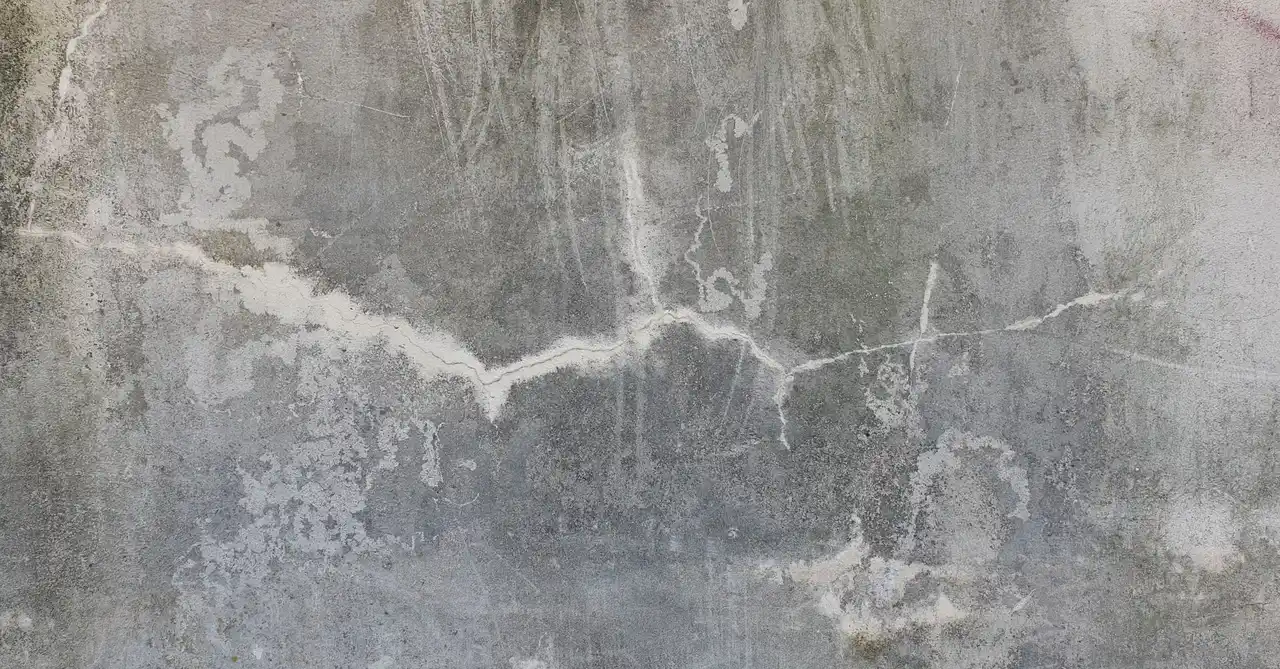
When we’re called out to look at a wall before someone commits to a full engineer’s survey, we’re looking for a specific set of signs, not just general cracking. Hairline cracks in render are normal in most Irish houses and usually mean nothing. What we actually pay attention to is:
- Stepped, diagonal cracking that follows the mortar joints, often starting at a window or door corner
- Horizontal cracking along a block course, particularly on gable walls
- Render that’s bulging, hollow-sounding when tapped, or popping away from the block beneath
- Crumbling or powdery block visible at exposed edges, vents or where render has already failed
- A pattern that’s worse on the north or more exposed elevation, where the wall takes more weather
One or two of these on their own usually isn’t a red flag. Several together, especially on a house built in the affected era with a supply history you can’t account for, is when we’d tell a homeowner to get a chartered engineer in rather than guess.
Don’t confuse mica with pyrite, they’re different problems
This mix-up catches people out constantly in Dublin. Pyrite heave is a separate issue that affected hardcore and fill material under concrete floor slabs, mostly in parts of Leinster, including some Dublin and north Wicklow estates built in the early 2000s. It causes floors to lift and crack, not walls to crumble. Mica affects the blocks themselves, in the walls, and is more associated with the north west.
If your solicitor mentions a “defective concrete” issue, ask them specifically which one they mean, because the testing, the standards, and the remediation schemes involved are different for each. Getting this wrong wastes time and money on the wrong type of survey.
What a proper survey actually involves
A genuine defective block assessment isn’t a five minute look at the outside wall. It typically follows a staged process:
- A visual condition survey of the external walls, internally and externally, looking for the cracking and deterioration patterns described above
- If anything suspicious is found, core samples are drilled from the blockwork in several locations around the house
- Those samples go to a laboratory for petrographic analysis and testing under the IS 465 protocol
- The engineer issues a report classifying the condition of the blockwork and recommending next steps
This has to be carried out by a suitably qualified chartered engineer, and the current testing standard and any scheme rules can change, so confirm the specifics directly with a chartered engineer or with the Housing Agency before you commission anything.
Buying or selling: when you actually need one
In our experience, the trigger is almost always one of three things: a lender’s solicitor flagging it as a condition of mortgage approval, a buyer’s surveyor noticing cracking during a pre-purchase inspection, or a seller getting ahead of the issue because they know the house has an unusual build history. If you’re selling an older bungalow or a self-build in Wicklow and you’re not sure where the block came from, it’s worth asking the question before it comes up in a buyer’s survey and stalls the sale. Sellers who get a clean report in hand before going to market tend to have a much smoother sale.
What affects the cost
We won’t quote a figure here because every house is different, but the main things that move the price up or down are:
- The size of the house and the number of elevations needing inspection
- How many core samples the engineer decides are needed
- Access, scaffolding or render removal required to reach the blockwork
- Whether it’s a straightforward visual survey or escalates to full lab testing
- Urgency, a survey needed quickly to meet a sale deadline can cost more than one booked with notice
If the result comes back positive, remediation and any grant support through the Defective Concrete Blocks Grant Scheme is handled through the Housing Agency and your local authority. Eligibility, scope and funding levels for that scheme do change, so always confirm the current position directly with them rather than relying on anything you read online, including this.
Where we fit in
We’re a trades and local services business based in Bray, working across Dublin and Wicklow, and we’ve been on site in plenty of houses where cracking turned out to be nothing more than old render past its best, and a smaller number where it genuinely warranted a proper engineer’s look. We can give you an honest, practical opinion on what we’re seeing on your walls, point you toward the right next step, and if remedial building work is ever needed once a survey is complete, we can take care of that too. Have a look at our services or get in touch through our get a quote page and we’ll talk you through what we’d do with your specific house.
Frequently Asked Questions
Is mica a big problem in Dublin and Wicklow?
Not nearly to the same extent as Donegal or Mayo. Most houses here were built with block from different quarries, so the risk is lower, but extensions, self-builds and some older properties with unclear supply histories can still be affected. If a lender or solicitor asks for a survey, it’s worth taking seriously rather than assuming it doesn’t apply.
How is a mica survey different to a pyrite test?
Mica affects the concrete blocks in external walls and shows up as cracking and crumbling render. Pyrite affects the fill under a concrete floor slab and causes the floor itself to heave or crack. They need different tests and are governed by different standards, so confirm with your engineer which one is actually relevant to your house.
Can I tell if my blocks are defective just by looking?
You can spot warning signs, stepped cracking, crumbling block, bulging render, but you can’t confirm a defective block diagnosis with a visual check alone. Only lab testing of core samples under the IS 465 protocol by a chartered engineer gives a definitive answer.
Who actually carries out the testing?
Core sampling and the official petrographic analysis need to be arranged through a chartered engineer experienced in this type of assessment. We’re happy to give you a practical, on site opinion of your walls and advise whether we think it’s worth taking that step.
What happens if my house tests positive for defective blocks?
You’d move into remediation planning, and depending on your circumstances you may be able to access support through the Defective Concrete Blocks Grant Scheme, administered via the Housing Agency and your local authority. Eligibility and funding levels can change, so confirm the current position directly with them before making any decisions.
Should I get a survey before I put my house on the market?
If there’s any doubt about where the blockwork came from, or if you can see cracking patterns that worry you, yes. A clean report in hand before you list the house avoids a buyer’s survey stalling or collapsing the sale later on.