

If you’re sale agreed and trying to close before early 2027, get your pre-purchase survey booked now rather than in the new year, because every surveyor and trade in Dublin and Wicklow is already backed up with people doing the exact same thing. The short version: a proper survey needs a qualified chartered surveyor to look at the structure, but a lot of the practical, everyday problems we see in houses around here (damp, old wiring, tired roofs, poor drainage on sloped sites) are things a trades team can flag or confirm before you sign anything. The two go together, they’re not a substitute for each other.
Why everyone is rushing before early 2027
We’re hearing the same story from buyers across Bray, Greystones and Dun Laoghaire right now. Mortgage approvals have a shelf life, usually somewhere around six months but check the exact expiry with your own lender, and a lot of approvals issued over the summer and autumn are running out just as we head into the new year. Nobody wants to go back through the whole application process, so there’s real pressure to close the sale before that clock runs out.
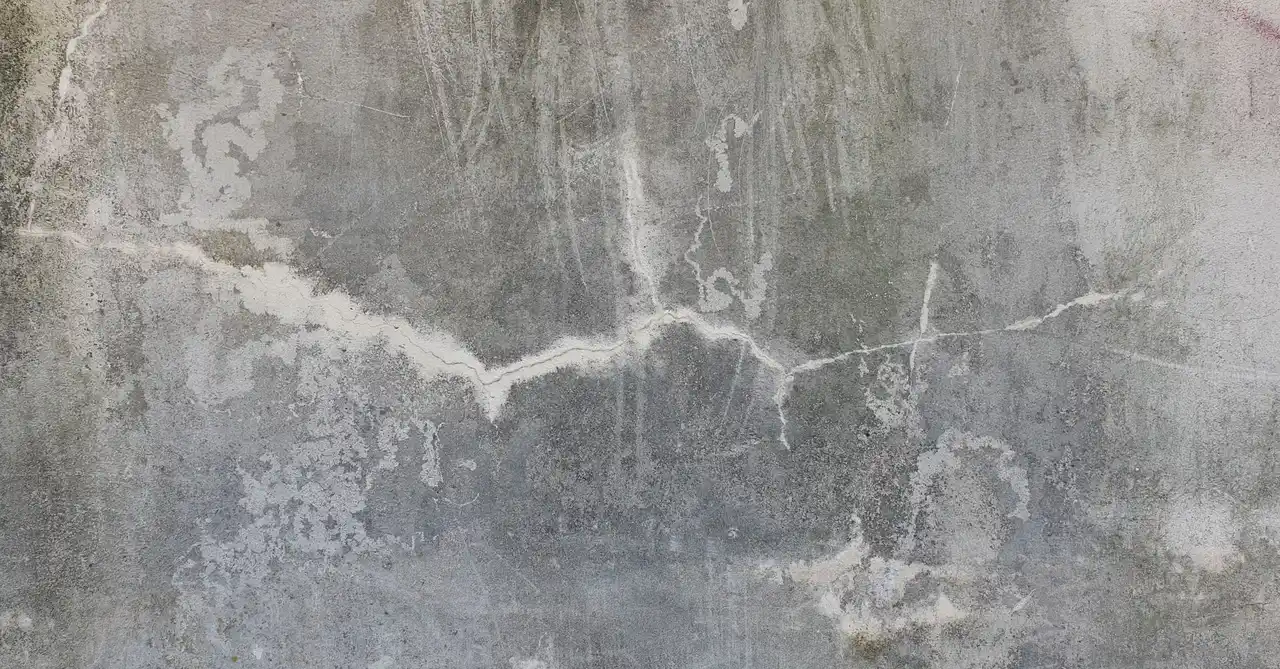
There’s also a practical, less talked about reason. Winter is actually a decent time to spot certain problems. Damp, poor drainage and roof issues show up far more honestly in November and December than they do in a dry spell in May. A house that looked grand on a sunny viewing in September can tell a very different story once the rain has been hammering against it for a few weeks. Buyers who are switched on to this are deliberately getting inspections done now, while the weather is doing some of the diagnostic work for them.
What a pre-purchase survey actually covers (and what it doesn’t)
A formal structural survey, the kind carried out by a chartered surveyor registered with the SCSI or RICS, looks at the building’s structure, its condition, and flags anything that needs further investigation. That’s the document your solicitor and lender will want to see, and it’s not something we’d ever tell a buyer to skip or substitute with a trades inspection.
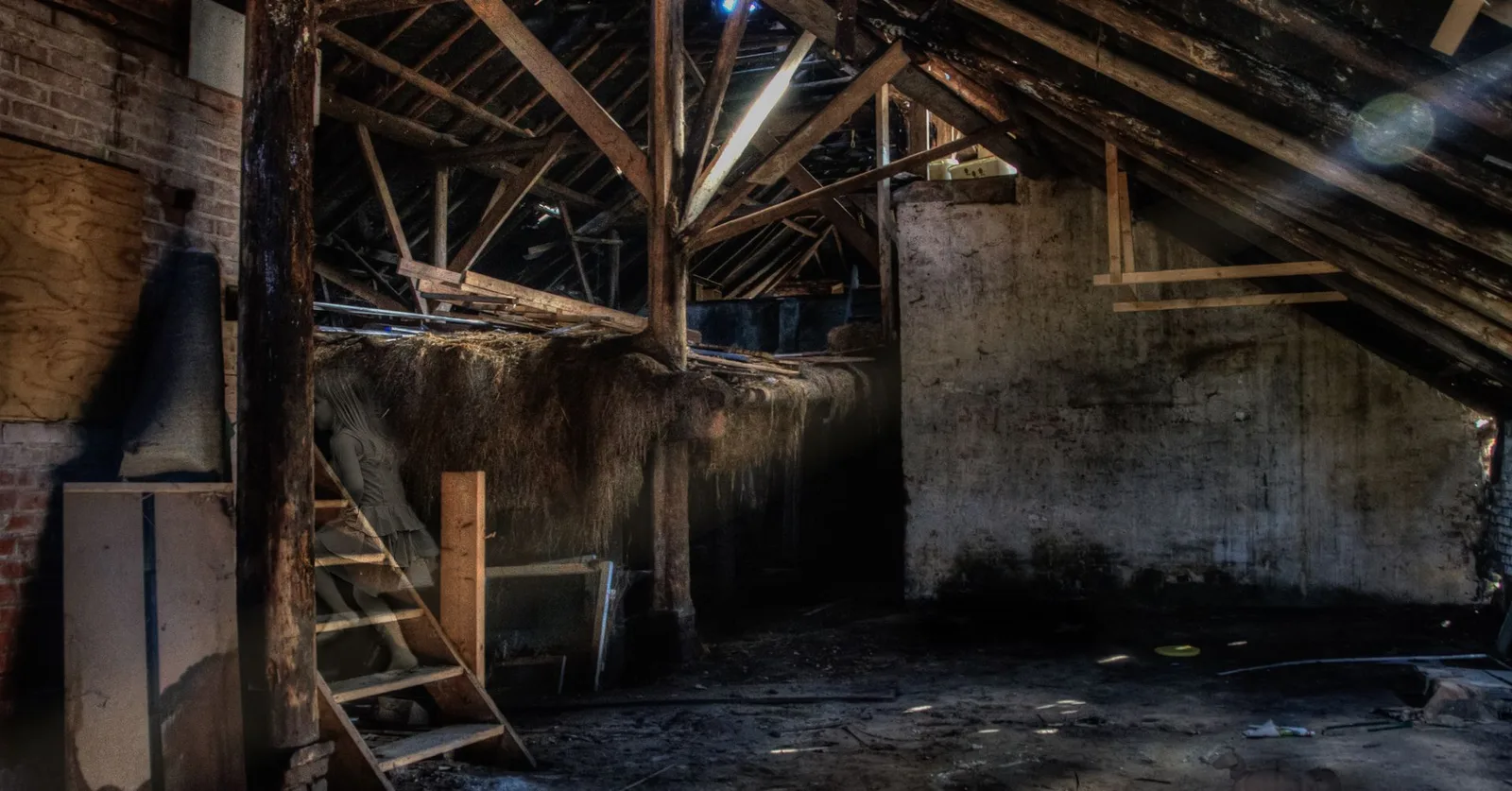
What that survey often doesn’t do is go deep into the condition of the boiler, the wiring, the roof covering, or whether the drainage around the back of the house is actually working. Surveyors will note obvious issues, but they’re not going to pull apart a fusebox or run a camera down a drain. That’s where a trades-level look adds real value, especially on an older property where you want to know what you’re actually taking on before you commit.
The issues we see most often in Dublin and Wicklow housing stock
The housing stock across our patch is varied, and that changes what tends to go wrong.
Older red brick and period houses around Dun Laoghaire, Dublin city and parts of Bray often have solid walls with no cavity, which means damp shows up differently than in a modern build, and a lot of buyers get spooked by patches that are actually normal for a house of that age rather than a serious defect. Coastal properties in Greystones, Kilcoole and Bray take a real battering from salt air and wind driven rain, so we’d always want a close look at render, flashing and exposed gutters on those. Up around Enniskerry and Blessington, sites are often sloped, and drainage and surface water management around the foundations is the thing that catches people out, not the house itself. Arklow and Rathdrum have a mix of older rural cottages and newer estates, and the older ones in particular can have electrical work that was never properly upgraded over the decades.
None of this means don’t buy the house. It means go in with your eyes open and a clear idea of what needs doing and roughly when, rather than finding out the hard way after the keys are handed over.
Where a trades inspection fits alongside your survey
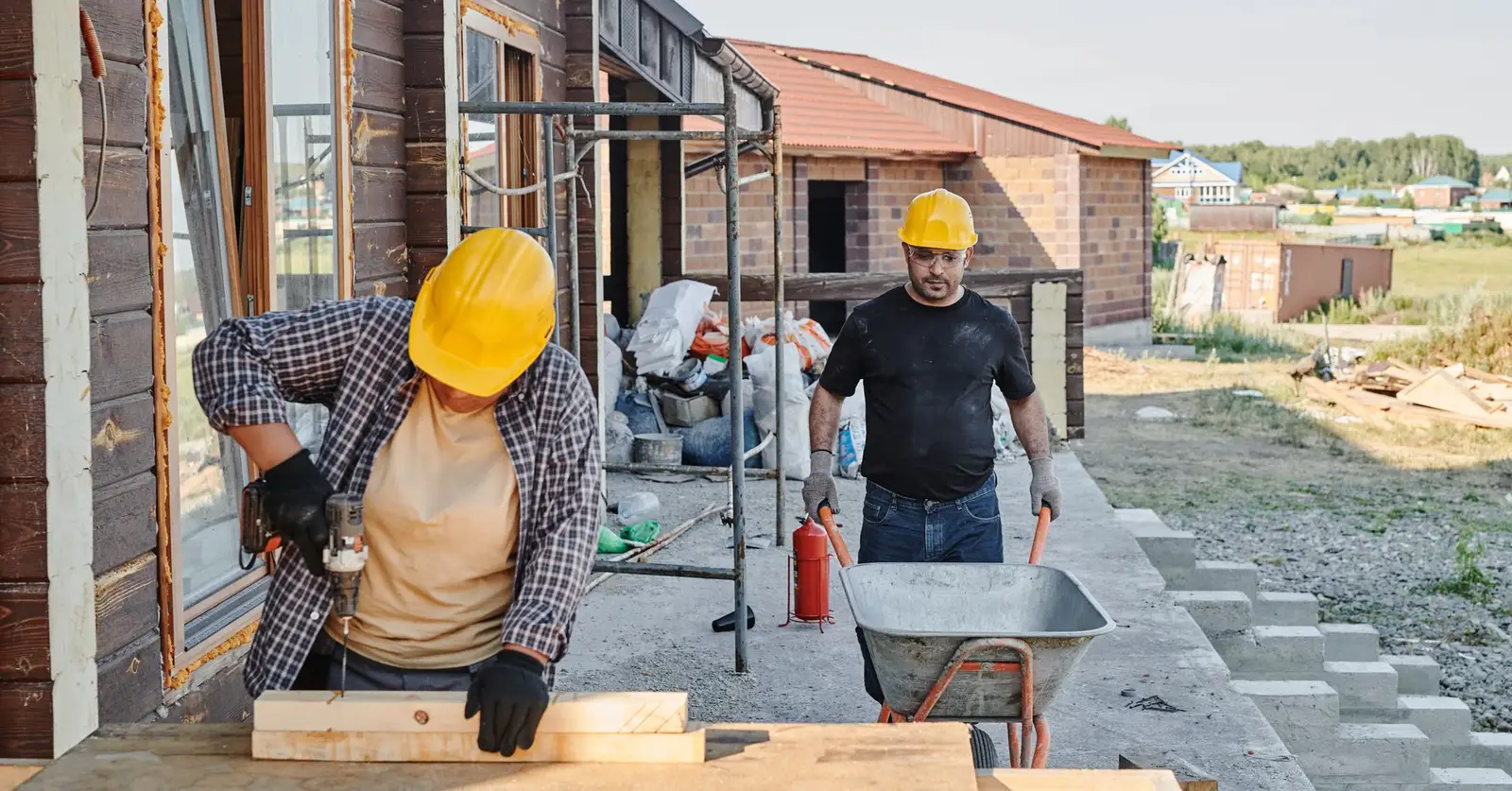
We’re not chartered surveyors and we wouldn’t pretend to be. What we do bring, after years of hands-on work across Dublin and Wicklow, is a practical read on the things a buyer actually has to live with day to day: is this roof good for another winter, is that damp patch active or historic, is the wiring something you’ll need to budget for soon, is the heating system on its last legs. A lot of our clients bring us in after the formal survey comes back with something flagged, and they want a straight, no-nonsense opinion on what it will actually take to fix before they decide whether to renegotiate or walk away.
What pushes that kind of inspection cost up or down is mostly down to the property itself:
- Age and construction type (a 1930s solid wall house takes longer to assess properly than a 2005 build)
- Access, for example a tight attic, a flat roof, or a site with difficult drainage to trace
- How many systems need checking (just the roof, or roof, electrics, plumbing and damp together)
- Whether we’re confirming one specific issue a surveyor already flagged, or doing a broader walkthrough
We don’t quote prices on a blog post because every one of these jobs is genuinely different, but we’re happy to talk through what you need and give you an honest figure for your specific property through our get a quote page.
What to do once you have the findings
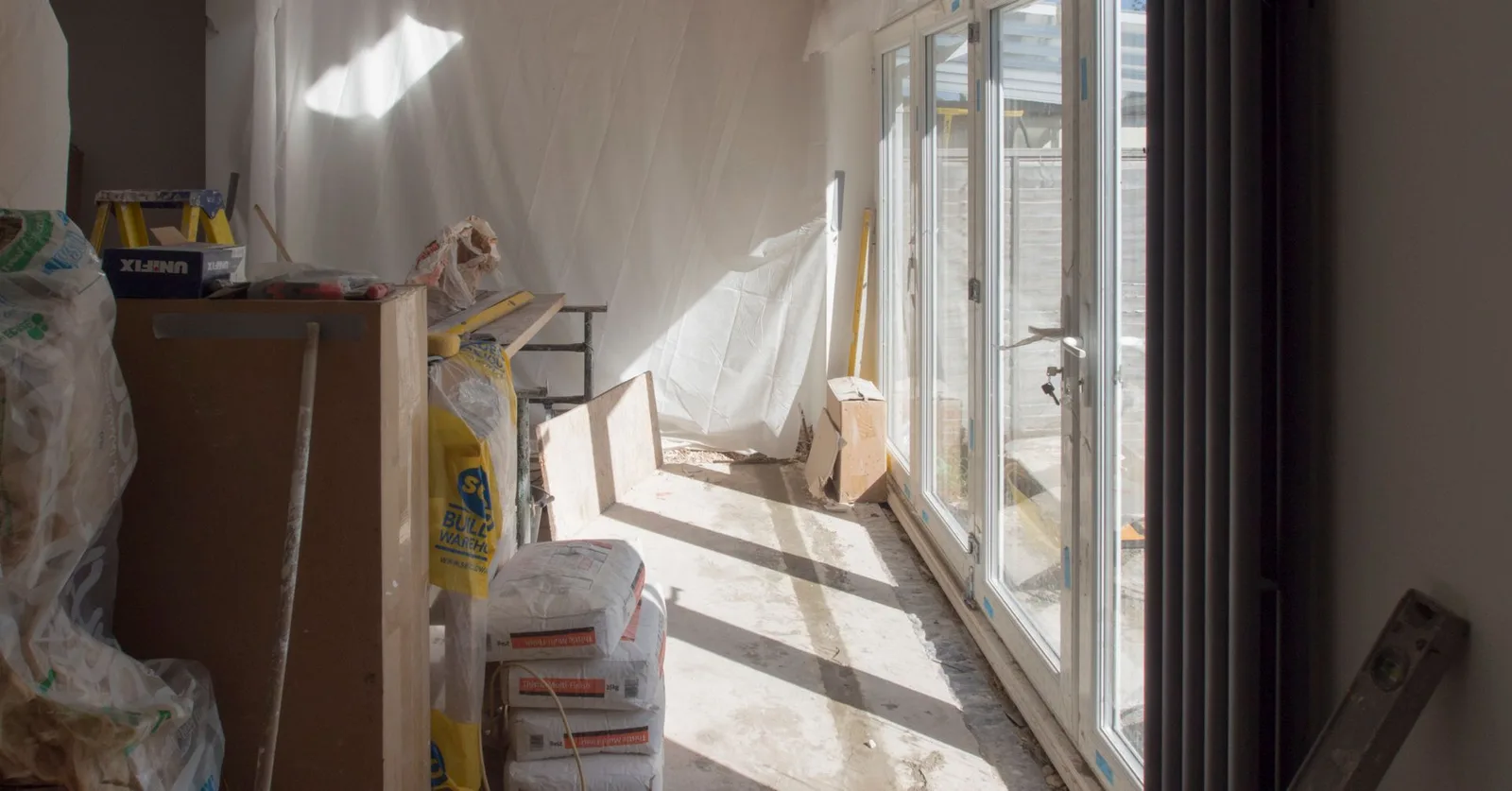
Once you’ve got your survey back and, if you’ve gone that route, a trades opinion on the specifics, the real decision is what you do with it. Some issues are minor and just go on a list for later. Others are significant enough to go back to the vendor’s solicitor and renegotiate the price or ask for works to be carried out before closing. We’ve seen both approaches work, and honestly the right call depends on how much you want the house versus how much the repair is actually going to cost you down the line. Don’t let a tight closing deadline rush you into ignoring something that’s going to cost real money in eighteen months’ time. It’s far better to have an awkward conversation now than a very expensive one next winter.
If you’re buying in Bray, Greystones, Stillorgan, Tallaght or anywhere else across Dublin and Wicklow and you want a practical, on-site look at a property before you sign, get in touch through our contact page and we’ll talk you through what’s involved for your specific house. You can also see the full range of what we cover on our services page.
Frequently Asked Questions
Do I need a pre-purchase survey even on a newer house?
Yes, we’d still recommend it. Newer builds can have their own issues, snag items that were never properly closed out, poor ventilation, or drainage that wasn’t finished to spec. A survey is cheap insurance against buying someone else’s mistake.
Can Lco carry out the structural survey itself?
No. A structural pre-purchase survey needs to be carried out by a qualified chartered surveyor, and your solicitor or lender will usually specify this. What we offer is a practical trades-level inspection of specific systems like roofing, plumbing, electrics or damp, which works alongside a formal survey rather than replacing it.
Is winter actually a good time to get a house inspected?
In a lot of ways, yes. Damp, drainage issues and roof problems tend to show themselves honestly in wet weather, whereas a dry summer can hide them. If you’re buying over the winter months, use it to your advantage rather than seeing it as a disadvantage.
What if the survey flags something and I’m not sure how serious it is?
That’s exactly the situation where a second, trades-level opinion is useful. We can look at the specific issue flagged, for example a roof, a damp patch or old wiring, and give you a straight answer on what it would actually take to put right, so you can make an informed decision before closing rather than guessing.
How far in advance of closing should I book an inspection?
As early as you can, especially with closing dates being squeezed before early 2027. Surveyors and trades alike are busier than usual this time of year, so booking weeks rather than days ahead gives you proper flexibility if something needs a follow-up look.
Do you cover my area?
We’re based in Bray and cover Dublin and Wicklow generally, including Greystones, Arklow, Rathdrum, Blessington, Enniskerry, Kilcoole, Delgany, Dublin city, Dun Laoghaire, Dundrum, Stillorgan, Sandyford, Tallaght and Rathfarnham. If you’re not sure whether your address is in range, just ask us through the contact page.