

A survey on a period home almost never comes back clean, and that’s normal. What matters is telling the difference between a line that’s just covering the surveyor and a line that’s going to cost you real money. We’ve spent years going into Dublin and Wicklow houses after the survey report lands, quoting on the actual work, and the same handful of issues come up again and again in Victorian and Edwardian terraces, old farmhouses around Rathdrum and Blessington, and the mix of 1930s and 1950s stock across Dun Laoghaire and Dundrum.
Why period home surveys read so alarming
Surveyors in Ireland work defensively. A pre-purchase survey (usually a “building survey” or “structural survey” rather than the thinner mortgage valuation) will flag almost every crack, damp patch and bit of old wiring because they’re protecting themselves, not telling you the house is falling down. The skill is reading the report alongside the house itself. A hairline crack over a door in a 1900s Bray terrace that’s been there for decades and hasn’t moved is a different story to fresh cracking with doors sticking and render dropping off. The report should tell you which this is, but if it doesn’t, that’s worth asking the surveyor directly before you go sale agreed any further.
The red flags that actually matter in Dublin and Wicklow period houses
Solid wall construction without a cavity is the single biggest thing that changes how you read a survey here. Most houses built before the 1930s in Dublin and Wicklow have solid brick or rubble stone walls, often with lime mortar and lime plaster, not the cavity block construction that came in later. That changes what “damp” and “crack” actually mean:
- Rising damp calls: very common flag, often overstated. Solid walls breathe differently to modern cavity walls, and a damp meter reading high on an internal wall doesn’t always mean a failed damp course, it can just mean the wall is doing what a solid lime wall does. Worth getting a second opinion before anyone suggests chemical injection.
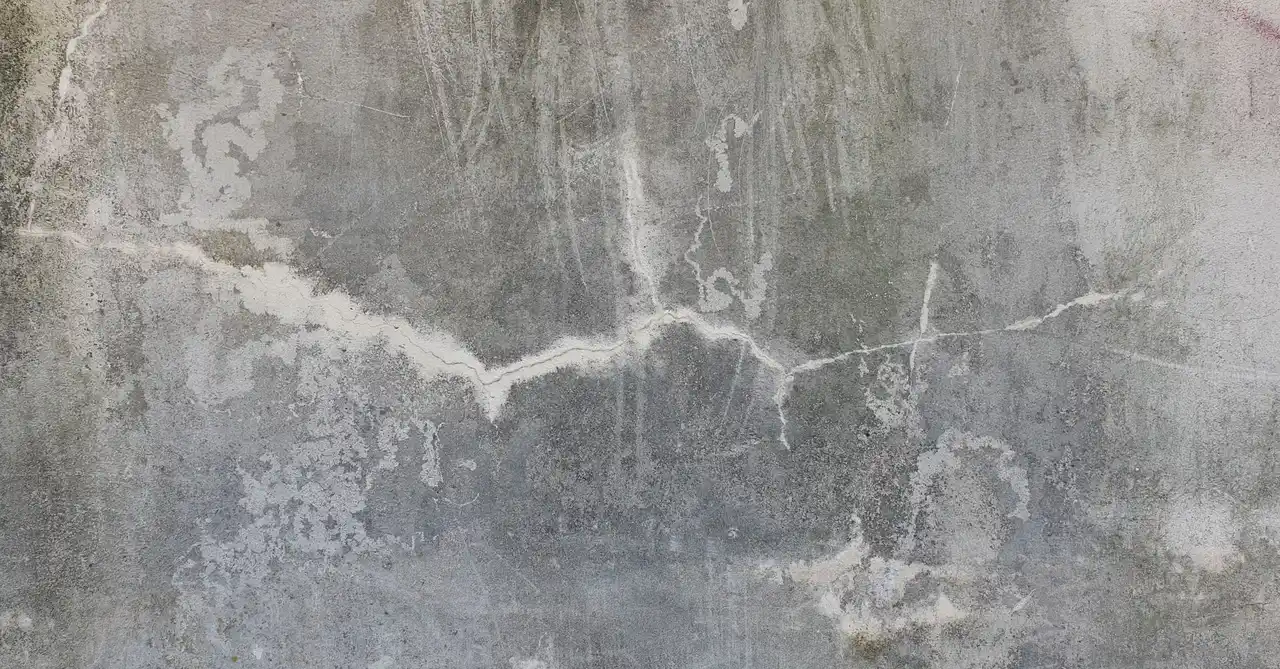
- Structural cracking: look for whether it’s active (fresh, widening, doors and windows binding) or historic (old, painted over, stable). Houses on sloped sites around Enniskerry, Greystones and the Wicklow foothills move slightly over decades, that’s different to a subsidence problem.
- Roof and valley issues: original slate roofs on period homes are often original slate, which can still have decades of life left or can be close to the end, depending on how it’s been maintained. Flat roof extensions (very common on these houses) are usually the weak point, not the main roof.
- Old wiring and plumbing: a surveyor will flag outdated consumer units, knob and tube wiring remnants, or old lead or galvanised pipework. These are safety items, get a qualified electrician and plumber to assess properly rather than guessing from the report.
- Chimney breasts and flues: often partially removed by a previous owner without proper support, a real structural concern that’s easy to miss on a casual viewing.
- Single glazing and draughts: flagged constantly, rarely urgent, mostly a comfort and running-cost issue rather than a structural one.
What pushes remedial costs up or down
Once you’ve got the survey, the next question is always “what’s this actually going to cost to put right.” We can’t give you a number without seeing the job, but these are the factors that move it most:
- Access: terraced houses with no side access or rear lane cost more for anything involving scaffolding, skips or deliveries.
- Extent of the problem versus the symptom: damp caused by a blocked gutter is a half-day fix, damp caused by ground level built up against a solid wall is a much bigger job.
- How much original fabric you want to keep: like-for-like repair with lime render or matching slate costs more than a modern replacement, but it’s usually the right call on a protected or character property.
- Whether the house is a protected structure or in an architectural conservation area: this can limit your options and change the approach, so check with your local authority’s conservation officer before assuming you can just replace windows or re-render.
- Timing: if several trades need to sequence (roof before plaster, electrics before plastering is finished), poor planning adds cost. Good planning doesn’t.
What we’d actually do with a survey report in hand
Don’t try to fix everything the report mentions before you’ve prioritised it. Get the structural and safety items looked at first (active cracking, roof condition, electrics, anything described as urgent), get a proper quote on those, and use that to either renegotiate or budget sensibly. Cosmetic items like old kitchens or single glazing can wait.
When clients come to us after a survey, we usually walk the property with the report in hand, point out which flagged items are genuinely urgent and which are standard for a house of that age, and give a straight answer on what we’d tackle first. We’ve been doing this across Bray, Greystones, Dun Laoghaire, Rathfarnham and the wider Dublin and Wicklow area for years, and the pattern with period housing stock here is consistent enough that we can usually tell you on site what’s worth worrying about.
Getting it quoted properly before you commit
If you’re sale agreed or close to it on a period home and want a realistic view of what the survey findings mean in terms of actual work, get in touch through our contact page or have a look through our full range of services to see what we cover. For a straightforward quote once you know what needs doing, you can request a quote and we’ll give you a clear view of the job, not just a worst-case number designed to scare you off.
Frequently Asked Questions
Should I walk away from a house if the survey flags damp and cracking?
Not necessarily. Most period homes in Dublin and Wicklow show up some damp and some cracking on a survey, that’s the nature of solid wall construction that’s a century or more old. What matters is whether it’s active and worsening or old and stable. Get a tradesperson or engineer to look at the specific flagged items in person before you make a decision based on the report alone.
Do I need a structural engineer as well as a building surveyor?
If the survey flags anything described as structural movement, a removed chimney breast, or significant cracking, yes, it’s worth getting a structural engineer’s opinion specifically on that item before you proceed. A general building survey is a good first pass, but it’s not the same as a structural assessment.
Is rising damp in an old house always a real problem?
Not always. Solid lime-built walls, common in Dublin and Wicklow period homes, naturally hold more moisture than modern cavity walls and can give misleading damp meter readings. Before agreeing to any chemical damp proofing, get a second opinion that takes the wall construction into account.
What should I get checked first once I own the house?
Safety and structural items take priority: roof condition, electrics, any active cracking, and chimney breast support if applicable. Cosmetic issues like old windows, dated kitchens or bathrooms can wait until you’ve dealt with the fundamentals.
Does it matter if the house is in a conservation area or is a protected structure?
It matters a lot for what you’re allowed to do and how. Replacing windows, rendering, or altering the roofline can be restricted. Check the specific position with your local authority’s planning or conservation section before assuming any remedial work can go ahead as you’d planned.
Can Lco quote on the work before I’ve even closed the sale?
Yes, we regularly quote for buyers who are sale agreed and want a realistic figure on remedial works based on the survey findings. Reach out through our contact page with the survey report and we’ll talk you through it.